

Every year, thousands of families across the Lowcountry begin the long process of bringing a loved one to the United States or adjusting a family member's status. In 2026, the U.S. Citizenship and Immigration Services (USCIS) issued a series of procedural updates that change how family-based green card petitions are filed, reviewed, and interviewed, particularly at the Charleston Field Office that serves Goose Creek, Summerville, Moncks Corner, and the surrounding communities.
These updates are not laws passed by Congress. They are policy and procedure changes, which means they affect timing, evidence, and discretion far more than eligibility. Understanding the difference matters, because it determines what a family can do today to put their case in the strongest possible position.
What Actually Changed in 2026
The most significant 2026 changes touch three areas: evidentiary standards for marriage-based petitions, biometrics scheduling, and how interviews are conducted at field offices like Charleston. USCIS has streamlined initial intake, meaning cleanly filed petitions are moving faster, while incomplete filings now sit longer before a Request for Evidence is even issued.
Officers have also been instructed to give more weight to digital evidence. Joint phone plans, shared streaming subscriptions, travel itineraries booked together, and even social media history are now reviewed alongside traditional documents like leases, joint bank accounts, and tax returns.
For families in Goose Creek and Summerville, the practical takeaway is simple: a strong, complete, well-organized petition is rewarded with speed. A weak or sloppy one is penalized with delays that can stretch a 10-month case into a 24-month ordeal.
Who Qualifies as an Immediate Relative
Immediate relatives of U.S. citizens, spouses, unmarried children under 21, and parents (when the petitioner is 21 or older), remain in the most favorable category. There is no annual cap, which means a visa is available the moment the I-130 is approved.
Lawful permanent residents (green card holders) can also petition for spouses and unmarried children, but those categories are subject to per-country and per-preference limits. Wait times in the F2A and F2B categories continue to be the biggest source of frustration for families across South Carolina.
Marriage-Based Petitions
Marriage-based cases receive the most scrutiny, and 2026 has not changed that. USCIS continues to look for a bona fide relationship, meaning a real marriage, not one entered into for immigration benefits. Joint financial accounts, a shared lease or mortgage, photos across time, and affidavits from family and friends still carry significant weight.
Parent and Child Petitions
Petitions for parents and minor children are typically more straightforward, but documentation of the qualifying relationship, birth certificates, adoption decrees, or evidence of legitimation, must be precise. Charleston-area applicants who hold foreign civil documents should plan extra time for certified translations and, when required, apostille certification.
Documentation That Makes or Breaks a Case
USCIS will not give your case the benefit of the doubt. Every claim must be supported by a document or, where no document exists, by a credible affidavit. For families in the Charleston, SC area, that means collecting certified copies of every civil document, birth certificates, marriage certificates, divorce decrees, and any prior immigration records, at the very start of the case.
Translations must be certified, not casual. A neighbor who speaks Spanish well is not a certified translator. Charleston has a number of qualified providers, and an immigration attorney can refer you to ones whose work has consistently been accepted by USCIS.
Next Steps for Families in South Carolina
If you are preparing to file in 2026, start by gathering every civil document and prior immigration record. Build the file before you write a single line of the petition. If your case is already pending, keep your address current with USCIS through the AR-11 process and respond to any notices within the deadline printed on the notice.
When in doubt, especially before filing, before an interview, or before responding to a Request for Evidence, consult a licensed immigration attorney. Goose Creek and Summerville families have legal options that are often missed simply because no one knew to ask.
Frequently Asked Questions
Family-based immigration is one of the most personal and most consequential legal processes a family will ever go through. The 2026 changes reward preparation and punish guesswork. If you are a family in Goose Creek, Summerville, Moncks Corner, or anywhere across the Charleston, SC area planning to file or already navigating a pending case, do not go it alone.
Schedule a confidential consultation with Alvarez Benavidez Law, P.C. today. We will review your situation, identify risks, and lay out the clearest path forward for your family.
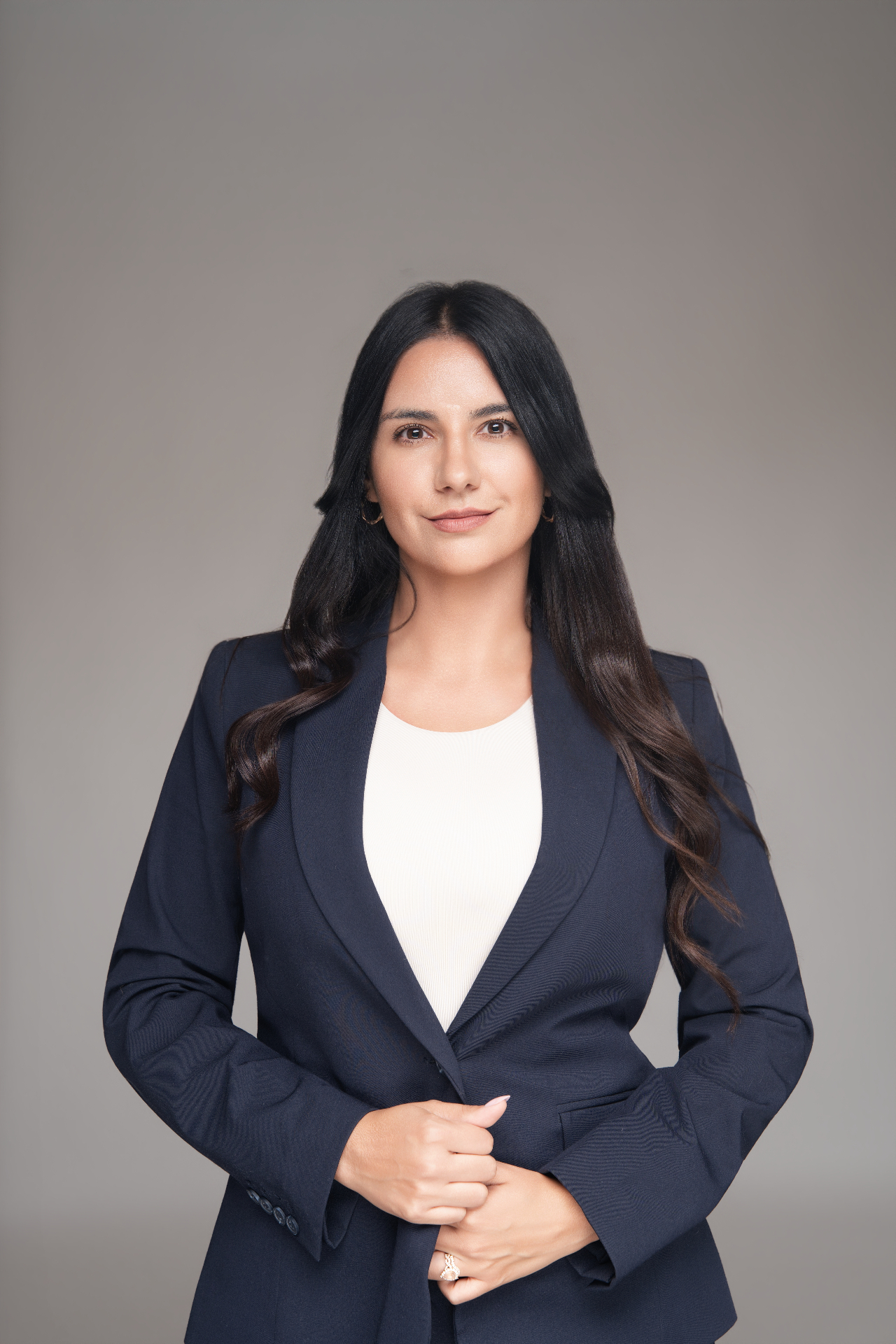
Marcia A. Alvarez Benavidez, Esq.
Immigration Attorney
Marcia is a bilingual immigration attorney serving families across Goose Creek, Summerville, Moncks Corner, and the greater Charleston, SC area. Former Federal Court Deputy Clerk with deep experience in family-based petitions, removal defense, and naturalization.


